The Art of Dioramas
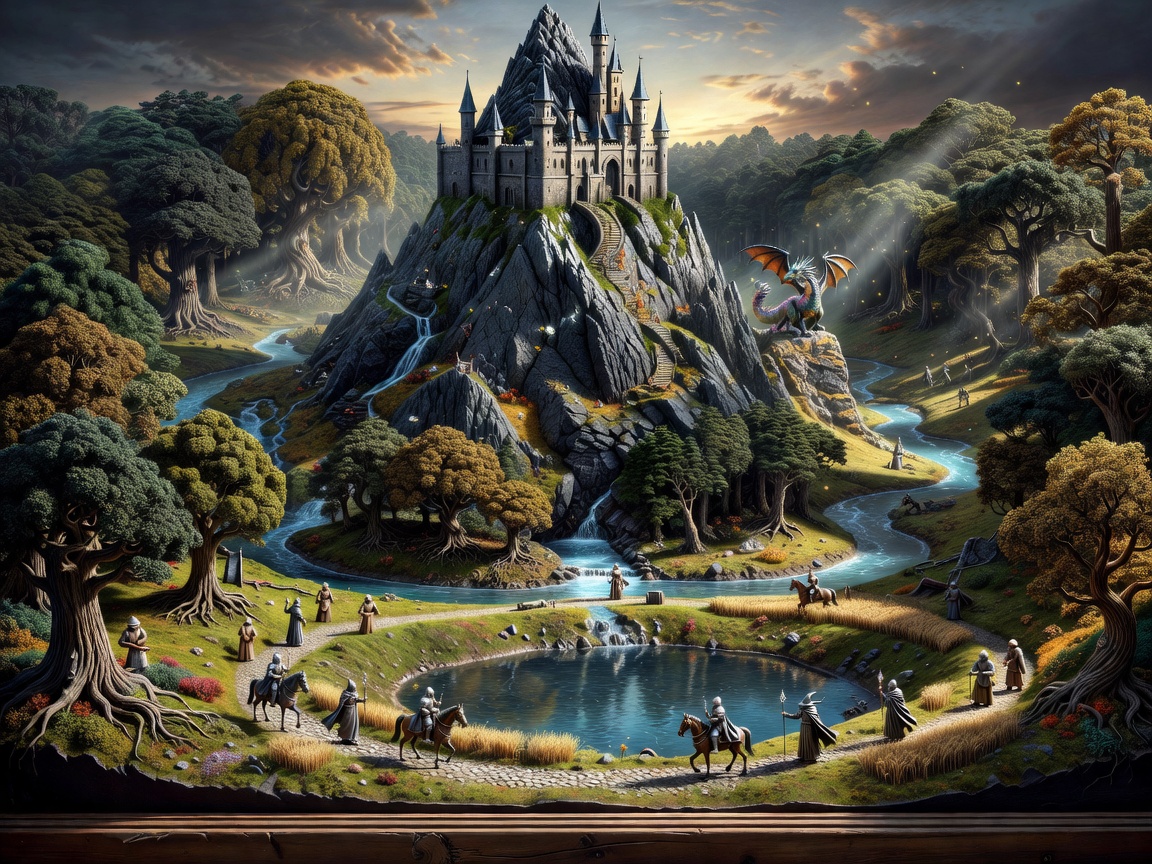
A diorama is a three-dimensional, miniature representation of a scene. Whether capturing a moment in historical military combat, a tranquil slice of nature, or a bustling sci-fi cityscape, dioramas tell stories without words. Building them requires a diverse skill set, blending woodworking, sculpting, painting, and sometimes even electrical wiring.
Choosing Your Scale and Composition
The foundation of any successful diorama is a strict adherence to scale. Mixing scales breaks the illusion of reality. If you are building around a specific 1:35 scale tank model, every brick, barrel, and figure must conform to that ratio. For fantasy and tabletop gaming scenes, the 28mm to 32mm heroic scales are most prevalent.
Composition is equally critical. Diorama builders frequently utilize the "rule of thirds" adapted for three-dimensional space. Creating varying heights—such as a tiered landscape or an imposing structure on one side—keeps the viewer’s eye moving across the piece rather than settling lazily in the center.
Core Construction Materials
Modern diorama construction relies heavily on synthetic materials that are lightweight, carveable, and structurally sound. The most popular among these is Extruded Polystyrene (XPS) foam.
- XPS Foam: Unlike beaded styrofoam (EPS), XPS has a dense, uniform structure. It can be carved with hot wire cutters or hobby knives, and textured with rocks or tinfoil to simulate stone, brickwork, or concrete.
- Balsa and Basswood: Ideal for constructing miniature buildings, fences, and debris. Basswood is harder and holds sharper edges, making it preferable for structural elements, while balsa is excellent for simulating rotted or damaged wood.
- Plaster of Paris and Hydrocal: Used for casting rocks using silicone molds, or mixed with paper mache to form hard structural shells over foam landscapes.
Sculpting the Terrain
To create natural ground, builders stack and carve layers of XPS foam to establish the basic topography. Once the rough shape is formed, a layer of sculptamold (a plaster and paper maché blend) or DIY texture paste (a mix of PVA glue, fine sand, and acrylic paint) is applied over the surface. This hides the seams in the foam and creates a realistic dirt texture.
Before the texture paste completely dries, real rocks, twigs, and fine gravel can be pressed into the surface. Using materials gathered from the real world—often sterilized by baking in an oven—adds unparalleled authenticity to the miniature scene.
Bringing the Scene to Life
The final stages involve painting and adding foliage. Zenithal highlighting, washes, and drybrushing techniques bring out the textures sculpted into the terrain. Static grass is applied using an electrostatic applicator, which forces the tiny nylon fibers to stand on end in the wet glue, mimicking real blades of grass.
For scenes featuring water, two-part clear epoxy resins are poured into sealed areas to simulate rivers, ponds, or puddles. Mod Podge or heavy acrylic gloss gels can be stippled onto the cured resin surface to create ripples and waves, perfectly freezing a dynamic moment in time.