The Art of Miniature Painting
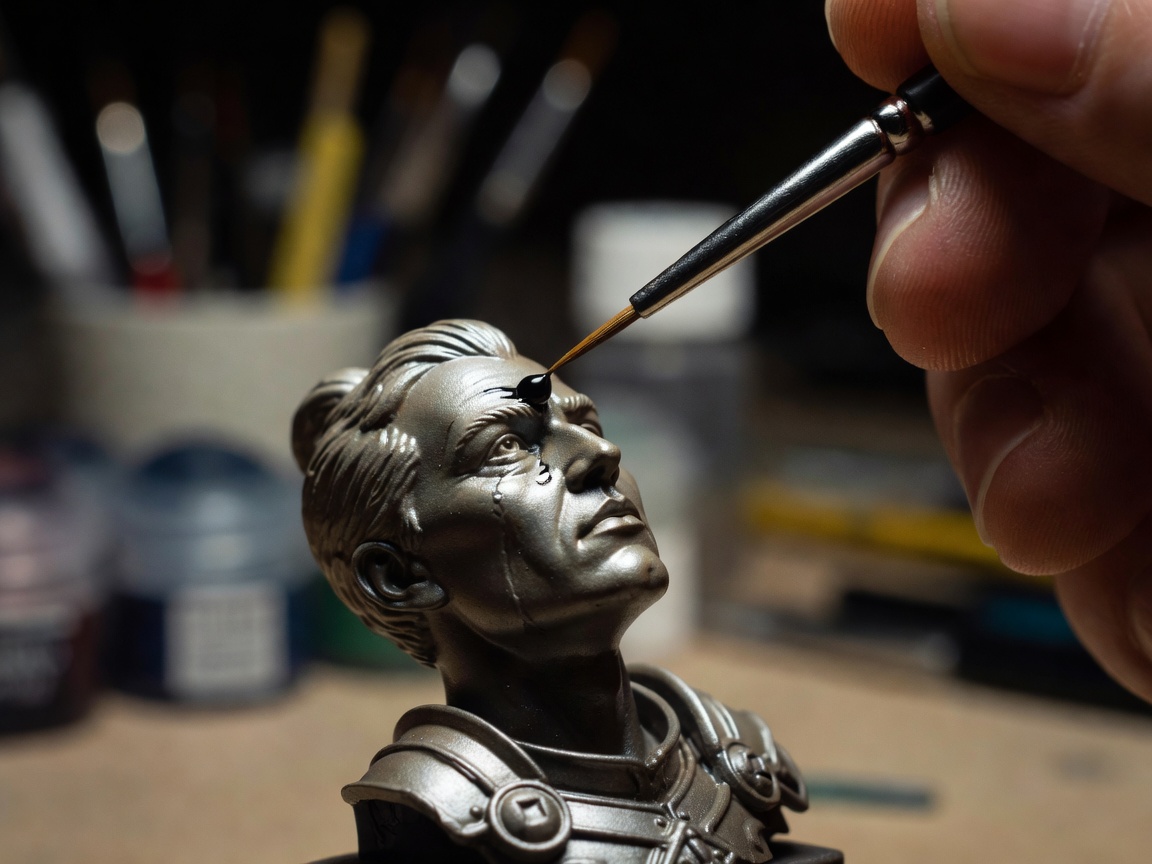
Miniature figure painting is a highly specialized branch of the hobby, focusing primarily on 28mm to 32mm scale models used for tabletop wargames, role-playing games, or intricate dioramas. Painting a model that is barely an inch tall requires specific techniques to simulate shadows, highlights, and textures that would naturally occur on a full-sized object.
Preparation and Priming
The painting process begins long before brush meets model. Miniatures, whether cast in resin, plastic, or white metal, must first be cleaned. Hobby knives and fine files are used to remove "mold lines"—the tiny ridges left over from the manufacturing casting process.
Next comes priming. Paint struggles to adhere to bare plastic or metal, so a specialized primer spray is applied. A popular technique among advanced painters is Zenithal Highlighting. This involves spraying the model entirely in black, followed by a spray of grey at a 45-degree angle, and a final burst of pure white directly from above. This mimics natural sunlight, creating a built-in map of highlights and shadows that the painter can follow.
The Importance of Thinning Paints
The golden rule of miniature painting is "two thin coats." High-quality hobby acrylics are densely pigmented and must be thinned with water or acrylic medium on a palette (often a "wet palette" to keep paints hydrated). Applying paint straight from the pot obscures the microscopic details sculpted into the model. Thinning the paint creates a smooth, even layer without leaving visible brush strokes.
Core Techniques: Washes and Drybrushing
To create depth on a miniature, painters rely on forced contrast. The two foundational techniques for achieving this are washing and drybrushing:
- Washes (Shading): A wash is a highly diluted, almost water-like paint, typically dark brown or black. When applied over a base color, capillary action pulls the pigment into the deepest recesses of the model—such as the folds of a cloak or the gaps in chainmail armor. This instantly creates realistic shadows and defines the separated shapes on the figure.
- Drybrushing (Highlighting): The opposite of a wash. An old, stiff-bristled brush is loaded with a light color, and then almost all the paint is wiped off onto a paper towel. The brush is then rapidly flicked over the textured areas of the model. The trace amounts of paint left on the bristles catch only the highest raised edges, instantly highlighting textures like fur, stone, or chainmail.
Advanced Glazing and Blending
While washes and drybrushing are excellent for heavily textured areas, they struggle on smooth surfaces like space marine armor or bare skin. Here, painters use glazing. Glazing involves thinning paint until it is completely translucent. By applying dozens of microscopically thin layers, a painter can create perfectly smooth transitions between shadows and highlights, resulting in breathtakingly realistic volumetric lighting.
The final step is varnishing—applying a matte or satin clear coat to protect the fragile acrylic paint from the oils on human fingers during tabletop gameplay.