Terrariums: Cultivating Living Micro-Worlds
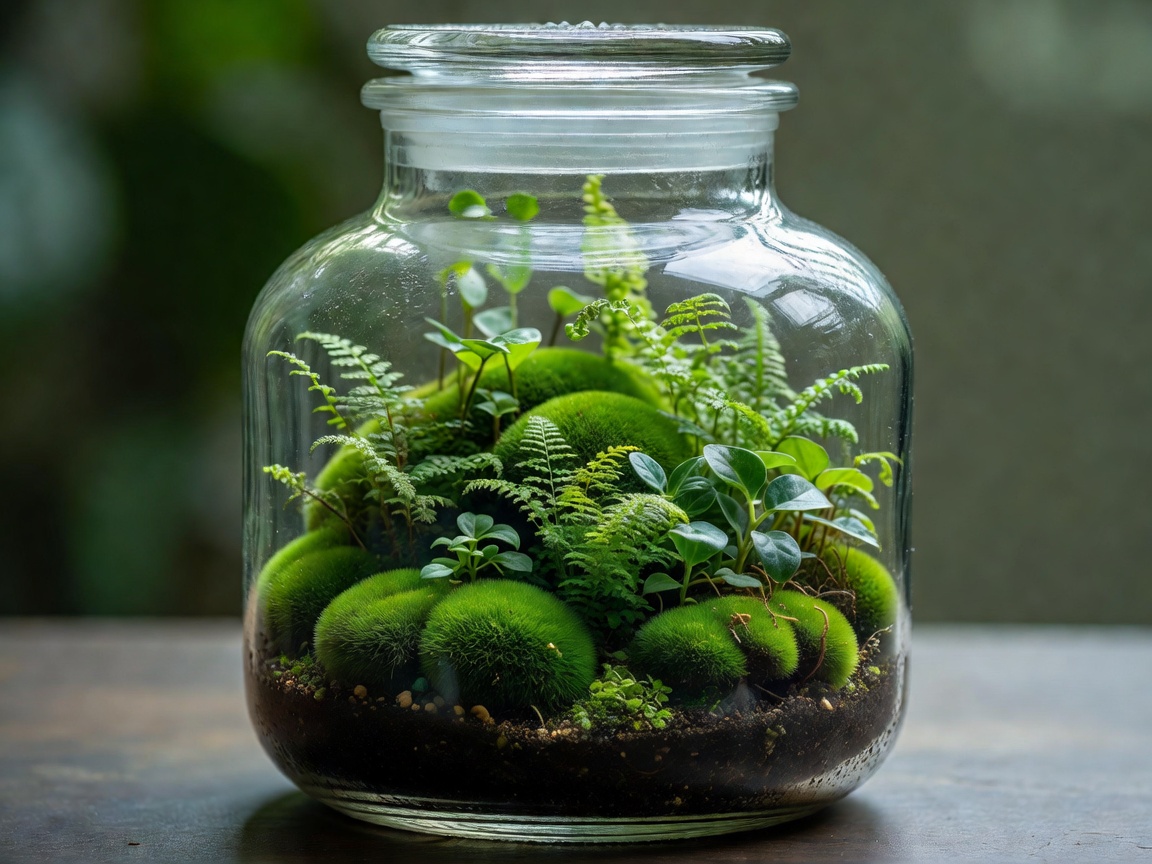
While dioramas and model railways freeze a moment in time using static materials, terrariums offer the unique challenge of building a dynamic, living miniature world. A true terrarium is a sealed glass container housing plants and soil, operating as a self-sustaining ecosystem where the water cycle is replicated on a micro scale.
Open vs. Closed Terrariums
The first step in terrarium building is deciding between an open or closed system, as they dictate entirely different biological environments.
- Closed Terrariums: These feature a lid and create a highly humid, tropical environment. Moisture evaporates from the soil and plant leaves, condenses on the glass, and drips back down, creating continuous natural watering. These are ideal for humidity-loving plants like mosses and ferns.
- Open Terrariums: These are exposed to the ambient air and are essentially decorative planters. Because they dry out quickly, they are suited only for arid plants like succulents and cacti. A closed terrarium housing a cactus will rapidly lead to root rot.
The Essential Stratigraphy
Because glass containers do not have drainage holes, a terrarium must be carefully layered to prevent the soil from becoming waterlogged and putrid. A proper setup requires the following distinct layers, built from the bottom up:
| Layer | Material | Purpose |
|---|---|---|
| 1. False Bottom (Drainage) | Gravel, LECA, or Pumice | Creates a reservoir for excess water to pool away from plant roots, preventing rot. |
| 2. Barrier | Fiberglass mesh or Sphagnum moss | Prevents soil from falling into and clogging the drainage layer over time. |
| 3. Filtration | Activated Charcoal | Acts as a bio-filter, absorbing toxins, odors, and preventing the buildup of harmful bacteria. |
| 4. Substrate | ABG Mix, Coco Coir, Worm Castings | The growing medium. Needs to be light, airy, and moisture-retentive without turning to mud. |
Selecting Miniature Flora
Plant selection is vital. You must choose species that not only thrive in high humidity and low-to-medium indirect light, but that also remain naturally diminutive or respond well to frequent pruning.
Excellent choices for a closed terrarium include Fittonia (Nerve Plants), which provide striking vascular patterns; various species of Peperomia; miniature ferns like the Fluffy Ruffles fern; and Pilea involucrata. Mosses, particularly cushion moss and sheet moss, are essential for creating the illusion of grassy meadows and softening the transitions between rocks and soil.
Adding Micro-Fauna: The Cleanup Crew
To make a closed terrarium truly self-sustaining, it requires a biological cleanup crew to manage decaying plant matter and mold. Terrarium builders introduce micro-fauna, most commonly Springtails (tiny hexapods) and Isopods (woodlice/pillbugs). These creatures feast on mold, fungus, and dead leaves, processing the waste and returning nutrients to the soil, maintaining a perfect, miniature cycle of life.