The Craft of Dollhouse Miniatures
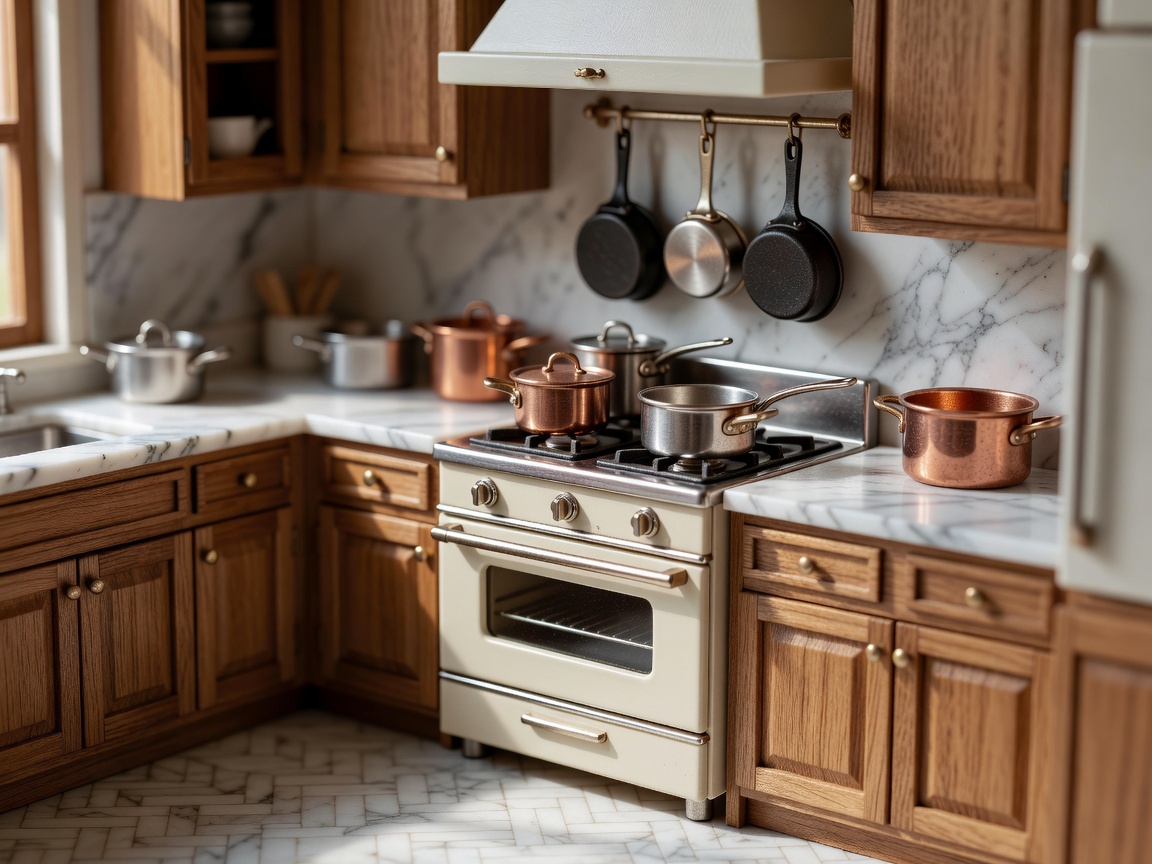
Dollhouses have transitioned over centuries from instructional tools for young women managing large domestic households, to "baby houses" for wealthy adults to display their affluence, to the highly accessible and diverse crafting hobby it is today. Modern dollhouse miniature crafting is a discipline of exacting precision, primarily rooted in interior design, carpentry, and fine detailing.
The Standard Scales
While various scales exist, the absolute standard for adult miniature hobbyists is 1:12 scale. In this ratio, one inch on the model represents one foot in reality (1" = 1'). This scale strikes a perfect balance: it is large enough to allow for incredibly intricate detailing—like readable spines on miniature books or operational hinges on doors—yet small enough that a multi-room house can fit comfortably on a table.
Other popular scales include:
- 1:24 (Half Scale): Half the size of standard. Gaining popularity for those with limited display space.
- 1:48 (Quarter Scale): Requires highly specialized tools and techniques, often using laser-cut wood and paper.
- 1:6 (Playscale): Predominantly used for fashion dolls like Barbie; features larger, more robust furniture.
Construction: Kits vs. Scratch-Building
Many hobbyists begin with a commercial kit. These typically consist of precision-cut MDF (Medium Density Fiberboard) or cabinet-grade plywood. Assembling a kit is akin to fine woodworking, requiring gluing, clamping, sanding, and priming before the house is even painted.
Advanced builders often transition to scratch-building. Using architectural blueprints of real homes, they scale down dimensions and cut their own wood. This allows for total creative freedom, enabling the construction of everything from modern minimalist lofts to intricate Victorian mansions featuring custom millwork and turrets.
Electrification and Lighting
Nothing brings a dollhouse to life quite like functioning lighting. Modern miniature electrification typically utilizes one of two systems:
- Round Wire System: Uses traditional fine-gauge copper wires run through channels routed into the wood, connecting to a central 12V transformer. Highly reliable but requires careful planning to hide the wires beneath flooring or behind baseboards.
- Tape Wire System: Employs flat copper tape affixed directly to walls and floors, which is then wallpapered or painted over. Fixtures are attached by piercing the tape with tiny brass brads. It is easier to hide but can be susceptible to breaking conductivity if the tape tears.
With the advent of micro-LED technology, lighting has become smaller and cooler, allowing for battery-operated fixtures that require no complex house wiring at all.
Interior Design in Miniature
Decorating a dollhouse is an exercise in resourcefulness. Real wallpaper is too thick and its patterns are out of scale, so hobbyists print bespoke, acid-free miniature wallpapers. Carpets are simulated using fine velvet or printed cotton, while hardwood floors are laid piece-by-piece using coffee stirrers or specialized veneer strips.
Crafting the furniture and accessories—often called "minis"—is a massive sub-hobby. Artisans utilize wood-turning lathes to create tiny table legs, polymer clay to sculpt realistic miniature food, and fine soldering techniques to build miniature brass birdcages. The goal is ultimate realism, challenging the eye to determine whether a photograph depicts a real room or a scale model.